

Call to Action
Fill out the form to contact us, We promise to respond to you quickly.
Company Display:Fire Drill

Fire Extinguisher

Demonstration

Hands-on Operation

Practical Training

On-site Practice

Return to Formation
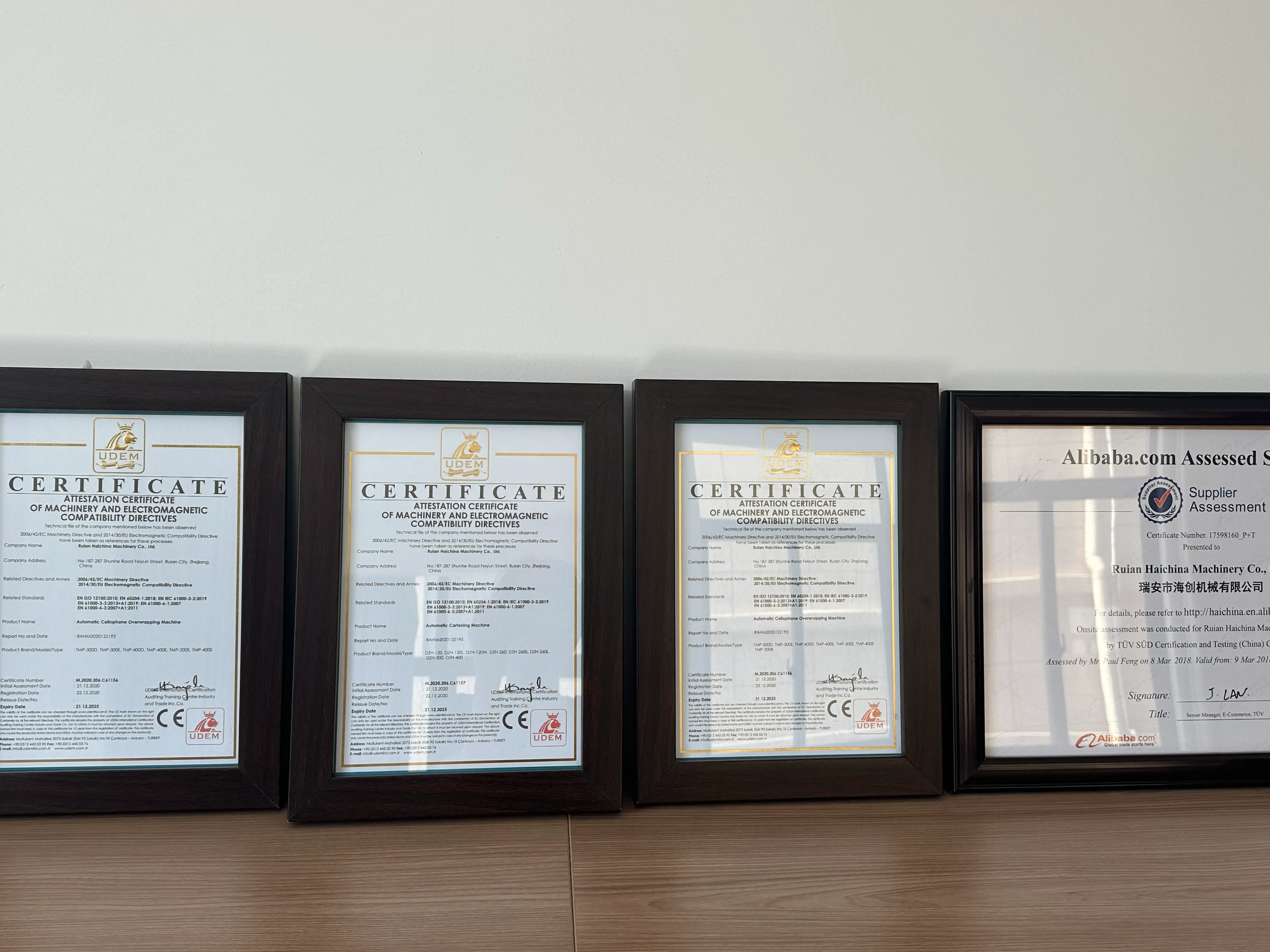
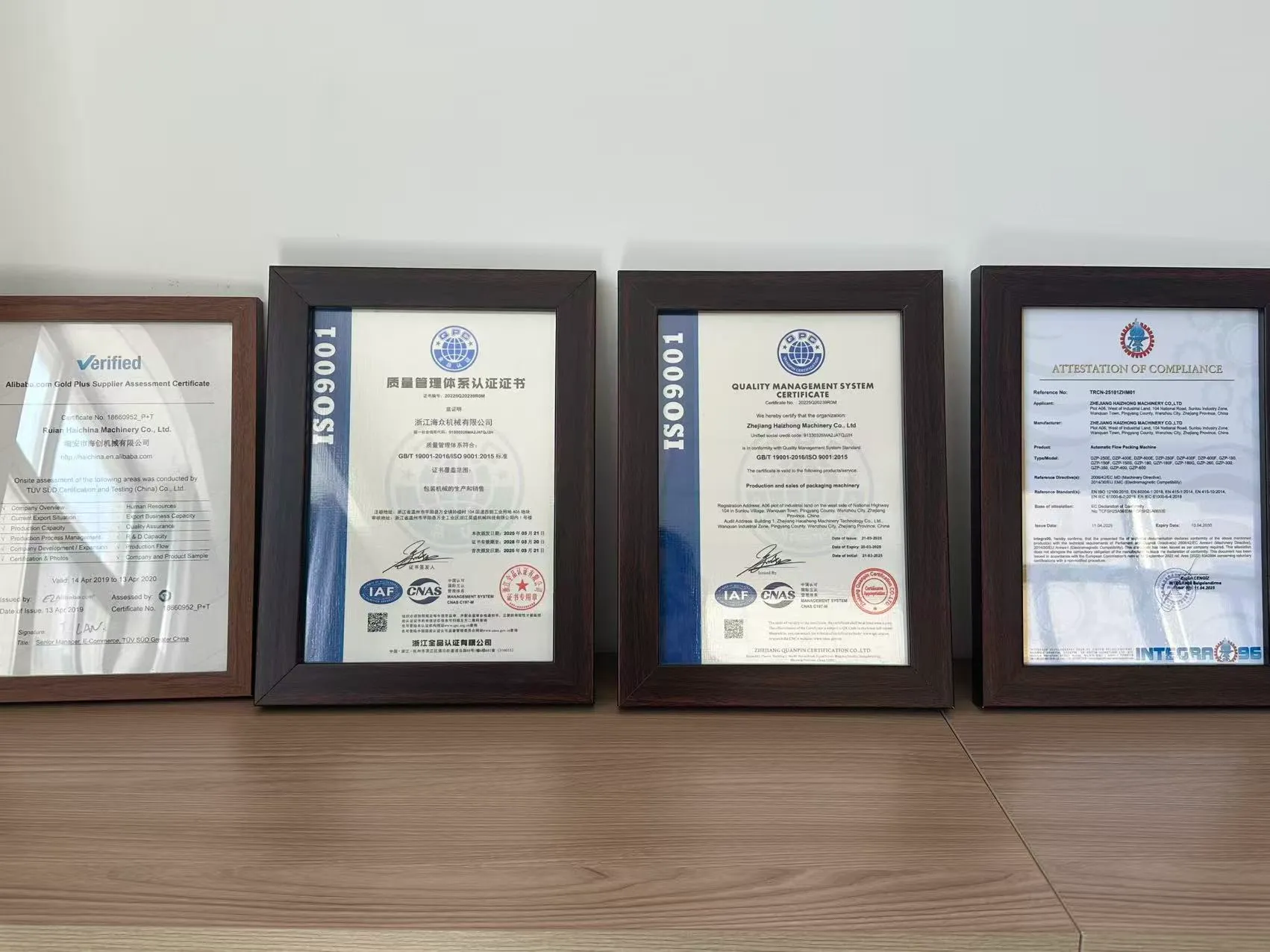
The Role of Certifications in Packaging Machinery
Sep 09, 2025
In the highly competitive and regulated landscape of industrial manufacturing, certifications play a pivotal role in ensuring the reliability, safety, and marketability of packaging machinery. Far from being mere formalities, these credentials serve as critical indicators of quality, compliance, and technological competence. They provide manufacturers, distributors, and end-users with the assurance that equipment meets internationally recognized standards and is capable of performing consistently in demanding production environments.
One of the primary functions of certifications is to validate compliance with safety regulations. Standards such as the CE Marking in the European Union and OSHA requirements in the United States attest that machinery has been designed and constructed with operator safety in mind. This includes features like emergency stops, protective guards, and fail-safe mechanisms that prevent accidents. Certified machines reduce the risk of workplace injuries, protect companies from legal liabilities, and enhance overall operational safety.
Beyond safety, certifications are essential for guaranteeing hygiene and product integrity, particularly in industries such as food, pharmaceuticals, and cosmetics. Certifications like ISO 22000, EHEDG, and FDA compliance ensure that materials used in machine construction are non-toxic, corrosion-resistant, and easy to clean. This is crucial for preventing contamination and maintaining sanitary conditions throughout the packaging process. In pharmaceutical applications, adherence to GMP (Good Manufacturing Practice) further underscores the machine’s suitability for producing medical and health-related products.
Certifications also serve as a powerful tool for market access and global trade. Machinery bearing widely recognized certifications can be more easily exported to international markets, as these credentials simplify the customs clearance and regulatory approval processes. They signal to potential buyers that the equipment complies with regional laws and industry-specific requirements, thereby reducing barriers to entry and fostering trust among global clients.
Moreover, certifications reflect a manufacturer’s commitment to quality management and continuous improvement. ISO 9001 certification, for instance, demonstrates that the company has implemented a robust quality management system covering design, production, and after-sales service. This not only elevates the brand’s reputation but also provides customers with confidence in the longevity and performance of the machinery.
In the context of technological innovation and sustainability, certifications such as Energy Star or ISO 50001 highlight a machine’s energy efficiency, contributing to lower operational costs and a reduced carbon footprint. As environmental concerns become increasingly prominent, these certifications help manufacturers align with corporate sustainability goals and regulatory expectations.
In conclusion, certifications are indispensable in the packaging machinery industry. They assure quality, enhance safety, facilitate regulatory compliance, and support market expansion. For end-users, investing in certified machinery means lower risks, higher efficiency, and greater confidence in their packaging operations. As the industry continues to evolve, certifications will remain a cornerstone of trust and excellence in manufacturing.

Recent Posts

October 26, 2016
The Most Successful Engineering Contractor


Contact US
Product Information
Quantity
Unit
Piece
Support order samples, customization, wholesale direct, and complete payment. If the product you look for does not have corresponding customized content, pls fill out the form below to contact us, and we will reply ASAP.