








Call to Action
Fill out the form to contact us, We promise to respond to you quickly.
Company Display:Fire Drill

Fire Extinguisher

Demonstration

Hands-on Operation

Practical Training

On-site Practice

Return to Formation
Efficient Dispatch and Customs Clearance for Packaging Machinery in International Trade
Aug 29, 2025
The export process for packaging machinery requires meticulous coordination to ensure safe transit and compliance with international regulations. From the moment an order is confirmed, a well-defined protocol is activated to handle logistics, documentation, and customs requirements. This end-to-end management is critical for maintaining product integrity and meeting delivery commitments to global clients.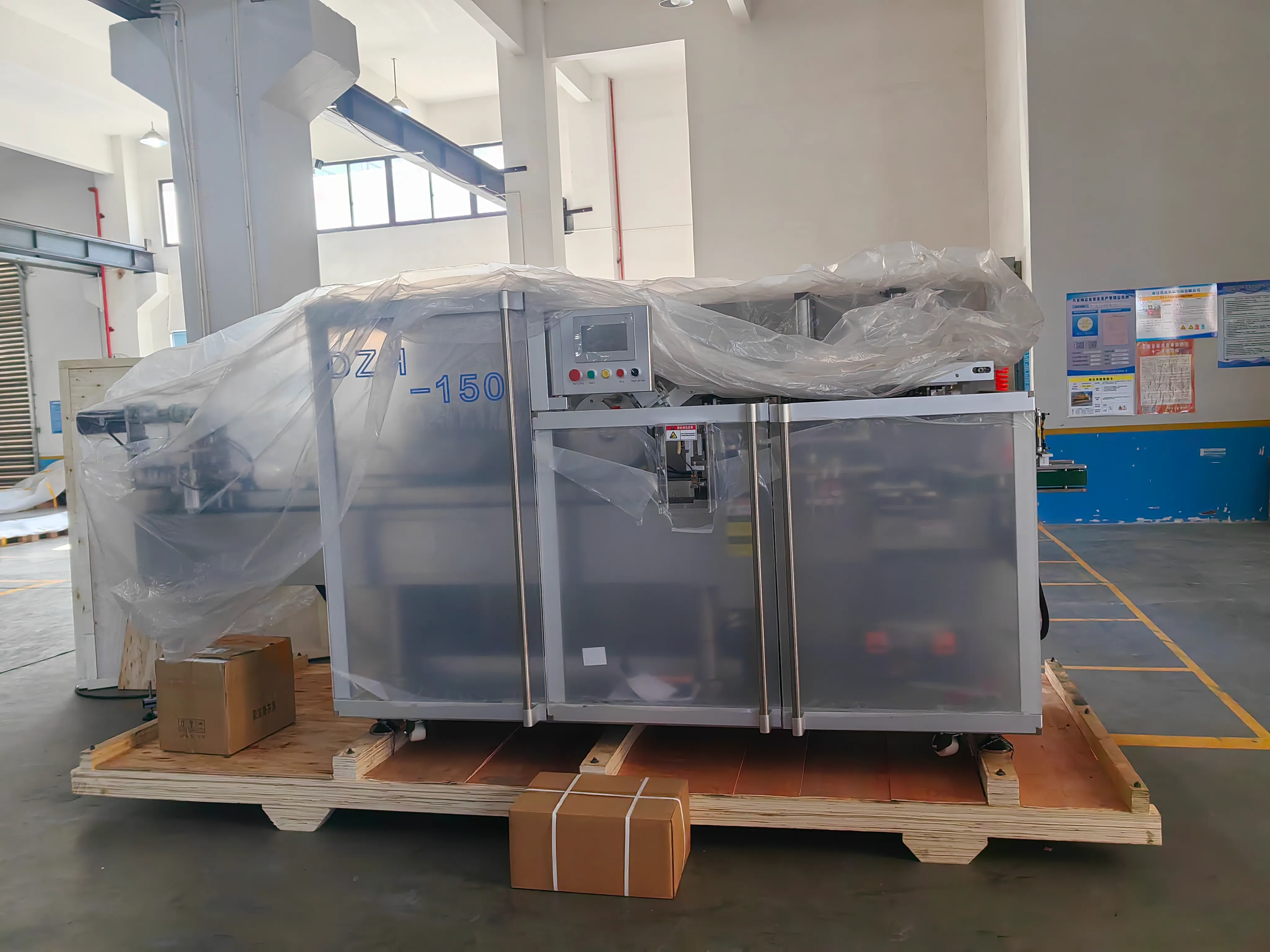
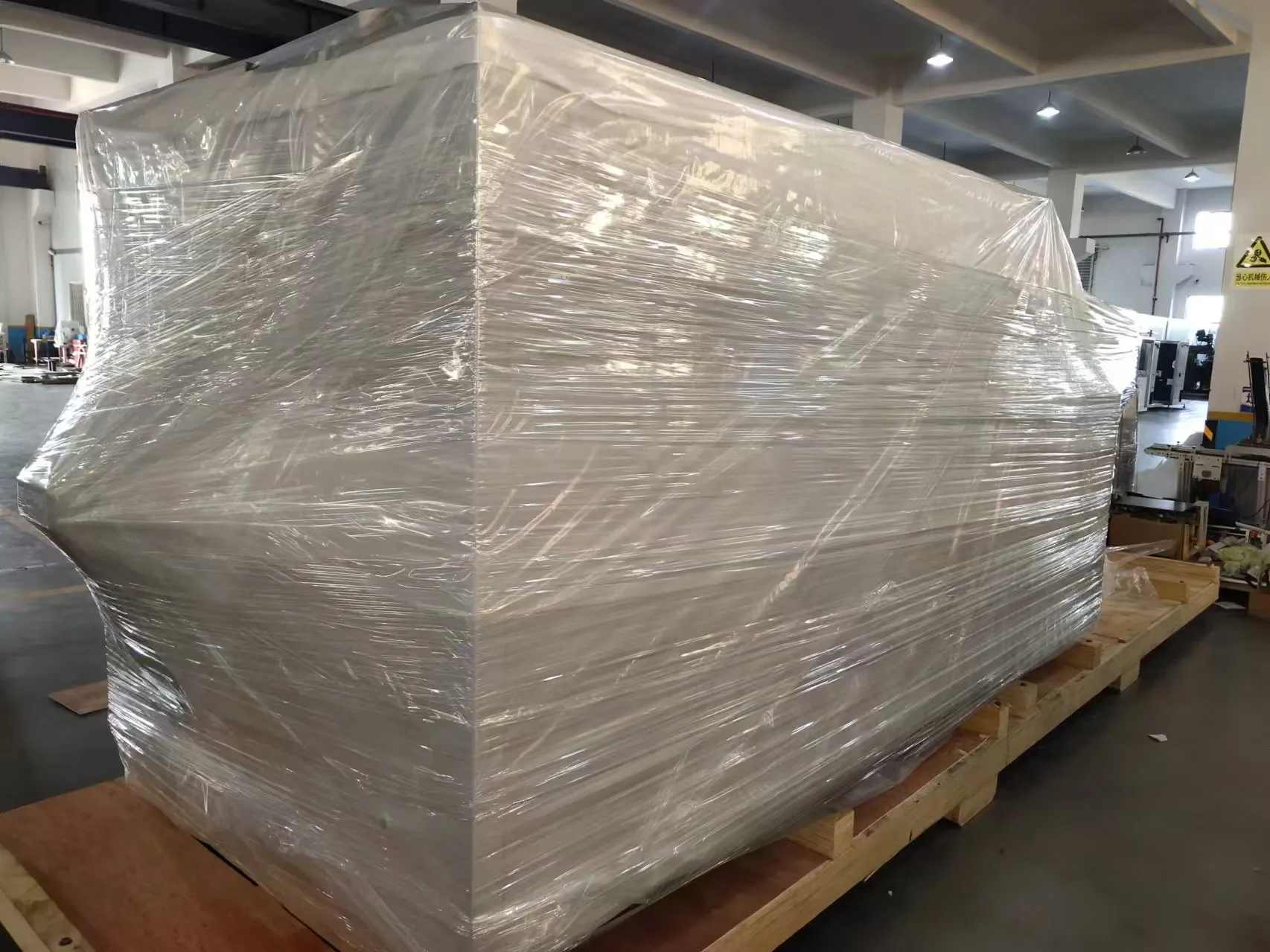
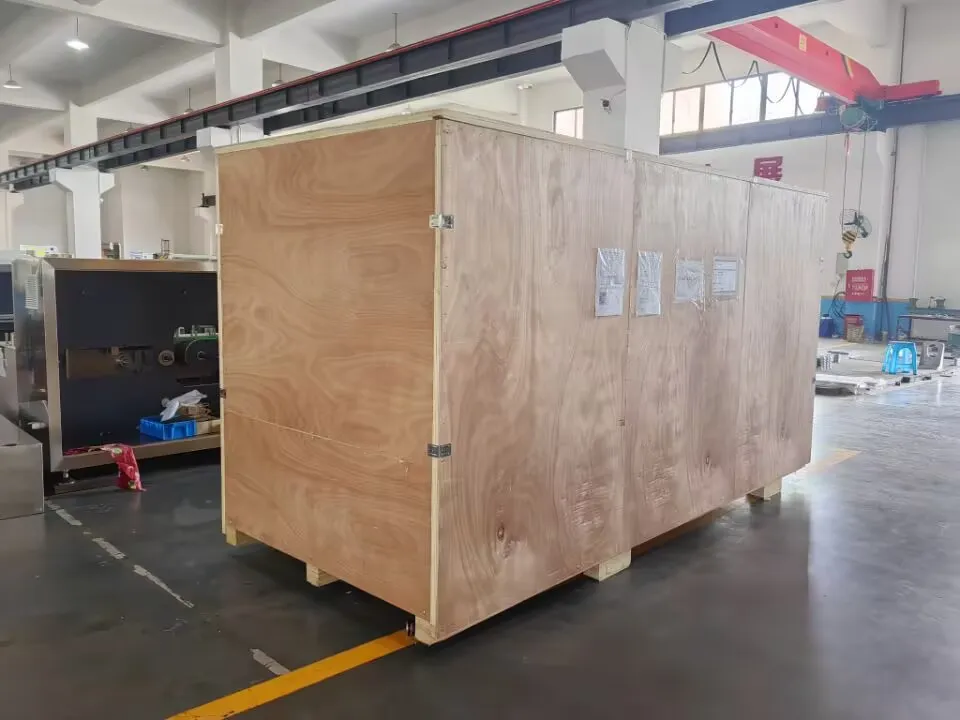
The journey begins long before the machinery is crated. Proactive compliance is the cornerstone of smooth customs transit. Reputable exporters invest in a dedicated trade compliance team that stays abreast of dynamic international regulations—from import duty classifications (e.g., HS codes 8422 for machinery) to destination-specific technical standards and documentation requirements. Prior to shipment, this team meticulously prepares a comprehensive dossier, including the commercial invoice, packing list, bill of lading, certificate of origin, and detailed machinery specifications. For many markets, especially in pharmaceuticals and food processing, additional certificates of conformity or sanitary compliance may be mandatory.
Accurate product classification is paramount. Misclassifying a high-speed cartoner or a robotic palletizer under the wrong HS code can lead to severe delays, unexpected duties, or even penalties. Experts leverage their knowledge of national tariff schedules and engineering specifics to assign the most accurate code, ensuring full transparency with customs authorities. Furthermore, they provide precise product descriptions and value declarations, minimizing the risk of inspections or disputes that can halt the clearance process.
Proper packaging and labeling are equally vital for both physical protection and regulatory adherence. Industrial packaging machinery is often heavy, sensitive, and high-value. Export-grade crating using reinforced wood or metal frames, internal bracing, and waterproof, shock-absorbent materials is standard. Each package is clearly labeled with handling instructions, weight, dimensions, and, crucially, the importer’s details and HS code. This level of detail facilitates easy identification and smooth handling at ports.
The choice of shipping terms (Incoterms® 2020) and logistics partners is a strategic decision. For high-value capital goods like packaging lines, terms such as CIF (Cost, Insurance, and Freight) or DAP (Delivered at Place) are often negotiated to provide clients with greater certainty and risk mitigation. Exporters partner with freight forwarders specializing in heavy-lift and out-of-gauge cargo to manage ocean or air freight, insurance, and final delivery. These partners are chosen for their proven track record in handling complex customs brokerage in the target country, ensuring a seamless handover from export to import clearance.
Technology plays an increasingly central role. Modern exporters utilize integrated ERP systems to synchronize commercial, logistical, and regulatory data. Automated documentation generation reduces human error, while digital platforms allow clients to track shipment status in real-time—from factory departure to port arrival and customs clearance. For highly regulated industries, some exporters now provide digital product passports with full compliance data accessible via QR codes on the shipment.
Finally, the human element remains irreplaceable. Experienced export managers anticipate potential bottlenecks—whether seasonal port congestion, documentary discrepancies, or unique national certification requirements. They maintain clear communication channels with clients, keeping them informed at every stage and swiftly resolving any issues that arise. This proactive, client-focused approach transforms the complex process of customs and shipment from a potential obstacle into a competitive advantage.
In conclusion, successful export of packaging machinery hinges on a holistic strategy that integrates regulatory expertise, robust logistics, and transparent communication. By mastering these elements, exporters not only deliver equipment but also build the trust and reliability that define long-term international partnerships.

Recent Posts

October 26, 2016
The Most Successful Engineering ContractorContact US
Product Information
Quantity
Unit
Piece
Support order samples, customization, wholesale direct, and complete payment. If the product you look for does not have corresponding customized content, pls fill out the form below to contact us, and we will reply ASAP.